
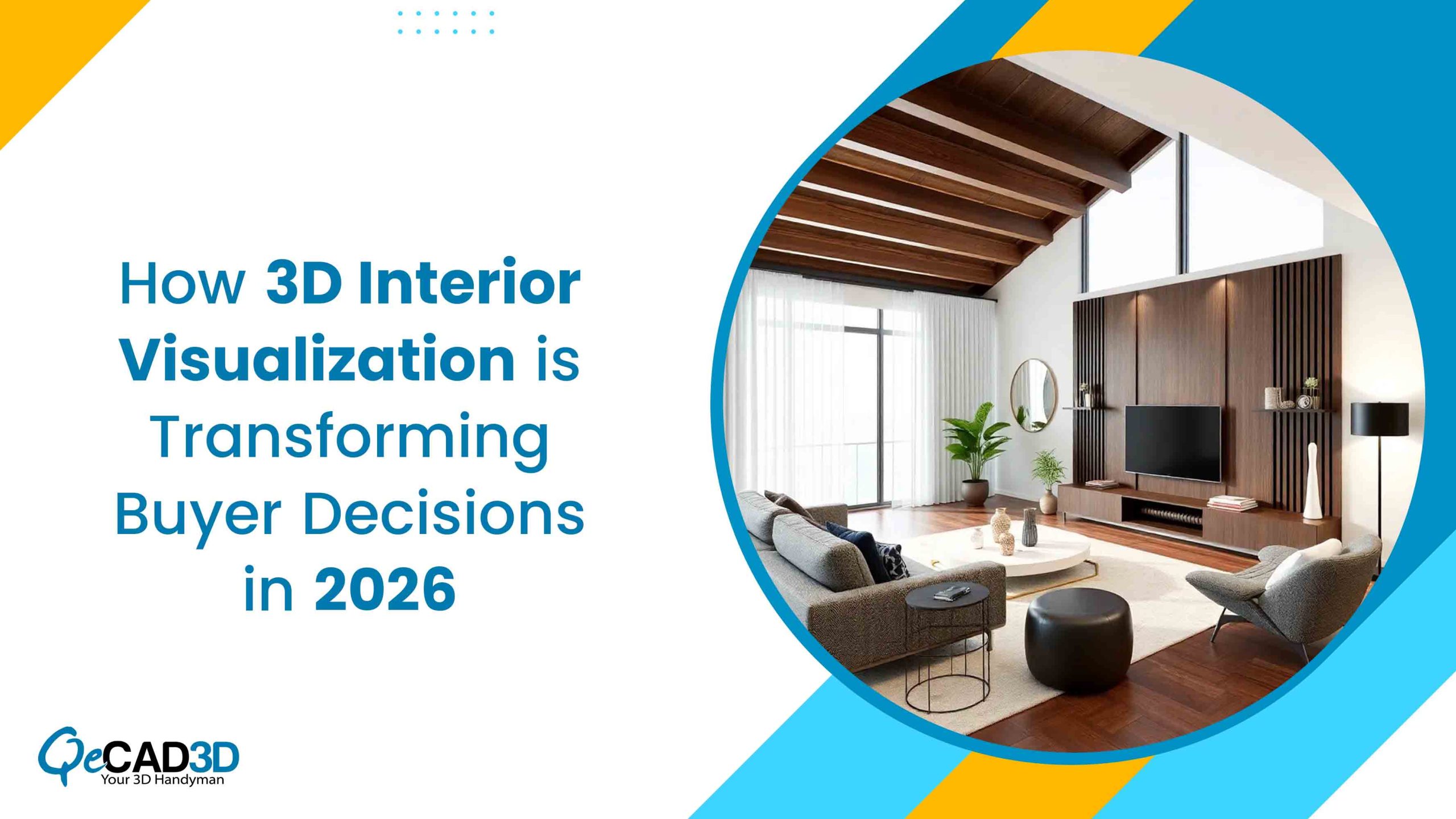
How 3D Interior Visualization Is Transforming Buyer Decisions in 2026
The world of interior design—and the way it is visualized—has shifted dramatically in 2026. Today’s buyers don’t just want pretty pictures; they want immersive, emotionally engaging and highly personalized visual experiences that helps them feel a space before it exists. As the industry leans more into technology, psychology, sustainability and storytelling, savvy designers and developers are pushing visualization beyond just the aesthetics into decision-driving tools.
In this blog, we explore the interior visualization trends that genuinely influence the buyer’s behaviour in 2026, supported by real data and concrete examples.
- Photorealistic Visuals Win Trust and Decisions
Stats That Matter
Projects featuring photorealistic visuals close 47% faster and requires 62% fewer revision cycles compared to the 2D drawings. (Chasing Illusions)
Today’s buyers are savvy visual consumers. Generic sketches and mood boards just don’t cut it. Neither do low-fidelity visuals. What drives decisions:
✔ True-to-life lighting
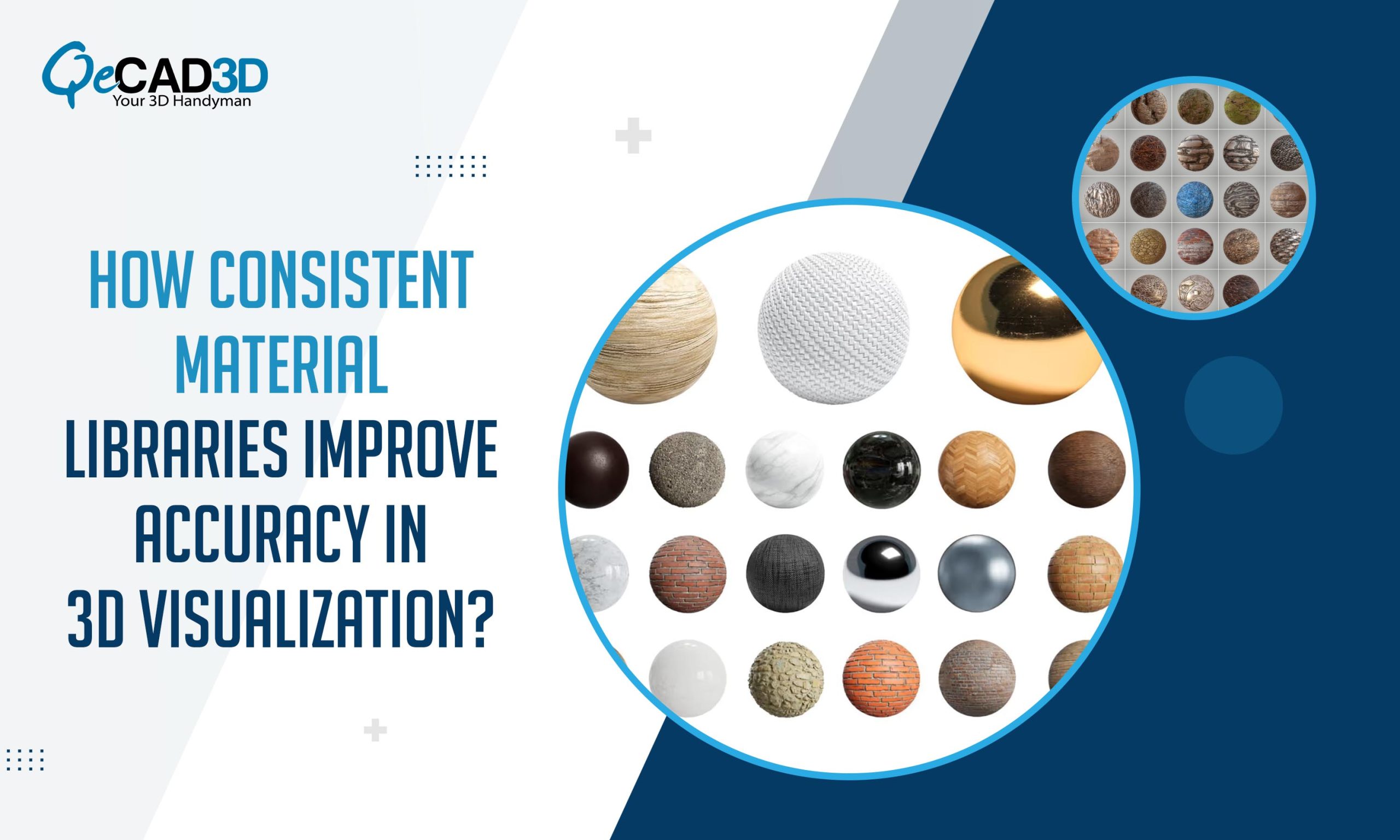
✔ Material textures that feel tangible
✔ Accurate scale and spatial perception
These elements helps the clients to visualize the space with confidence, reduce hesitation and accelerate approvals—especially when paired with the real statistics showing the power of immersive visuals in winning client buy-in.
- Immersive 3D Experiences Replace Static Images
Interactive Walkthroughs
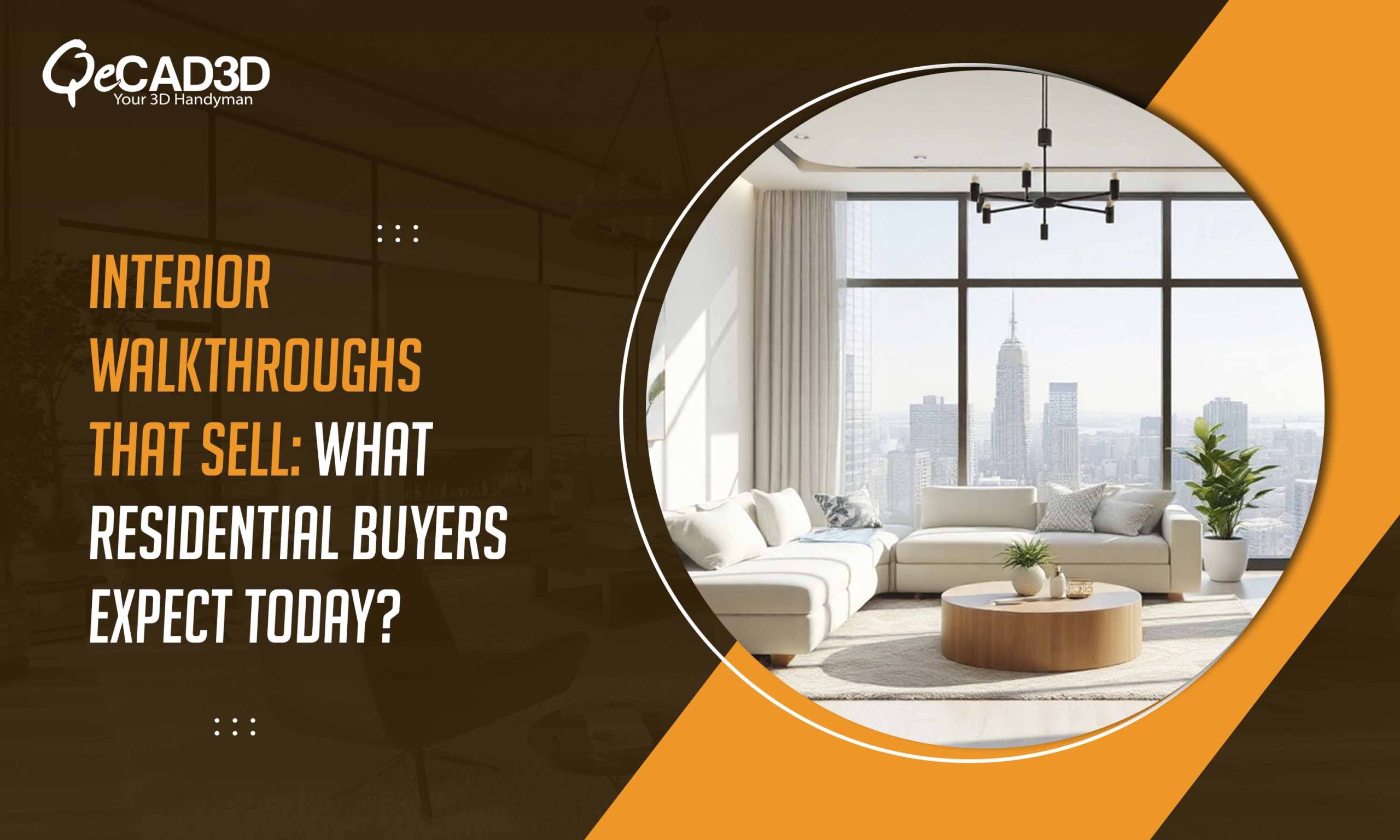
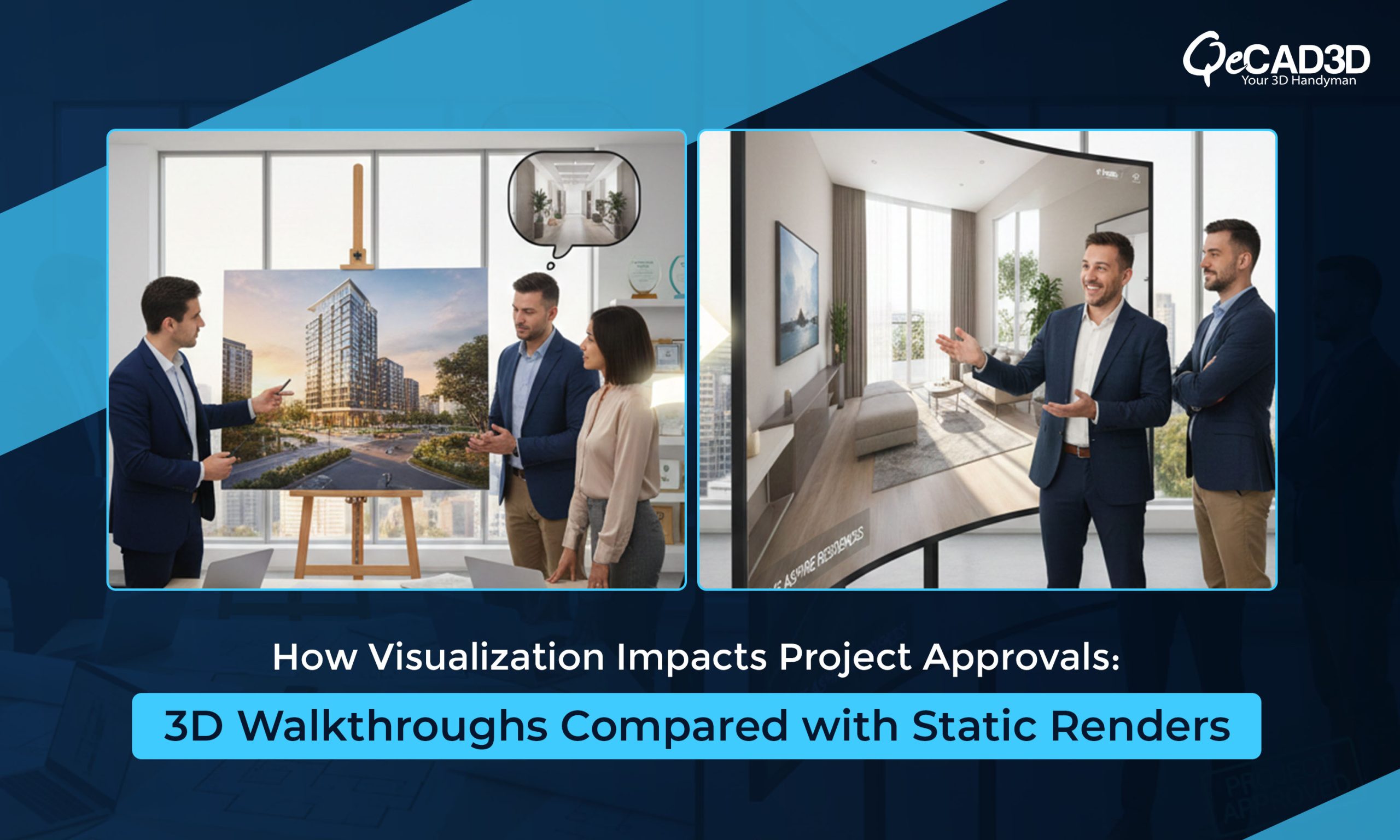
One of 2026’s biggest shifts is the move from static renders to experiential interactions. Buyers want to feel the space:
✔ Real-time virtual tours that simulates walking through rooms
✔ Interactive floorplans that lets the buyers explore before the construction
✔ Virtual reality (VR) experiences that creates a sense of presence
These approaches not only increase engagement but also create a strong sense of ownership—significantly improving conversion rates.
Example: A real estate developer using interactive 3D tours reported a significant increase in inquiries and tour times, especially among the millennial and Gen Z buyers.
- AI-Enhanced Visualization Tools Transform Workflows
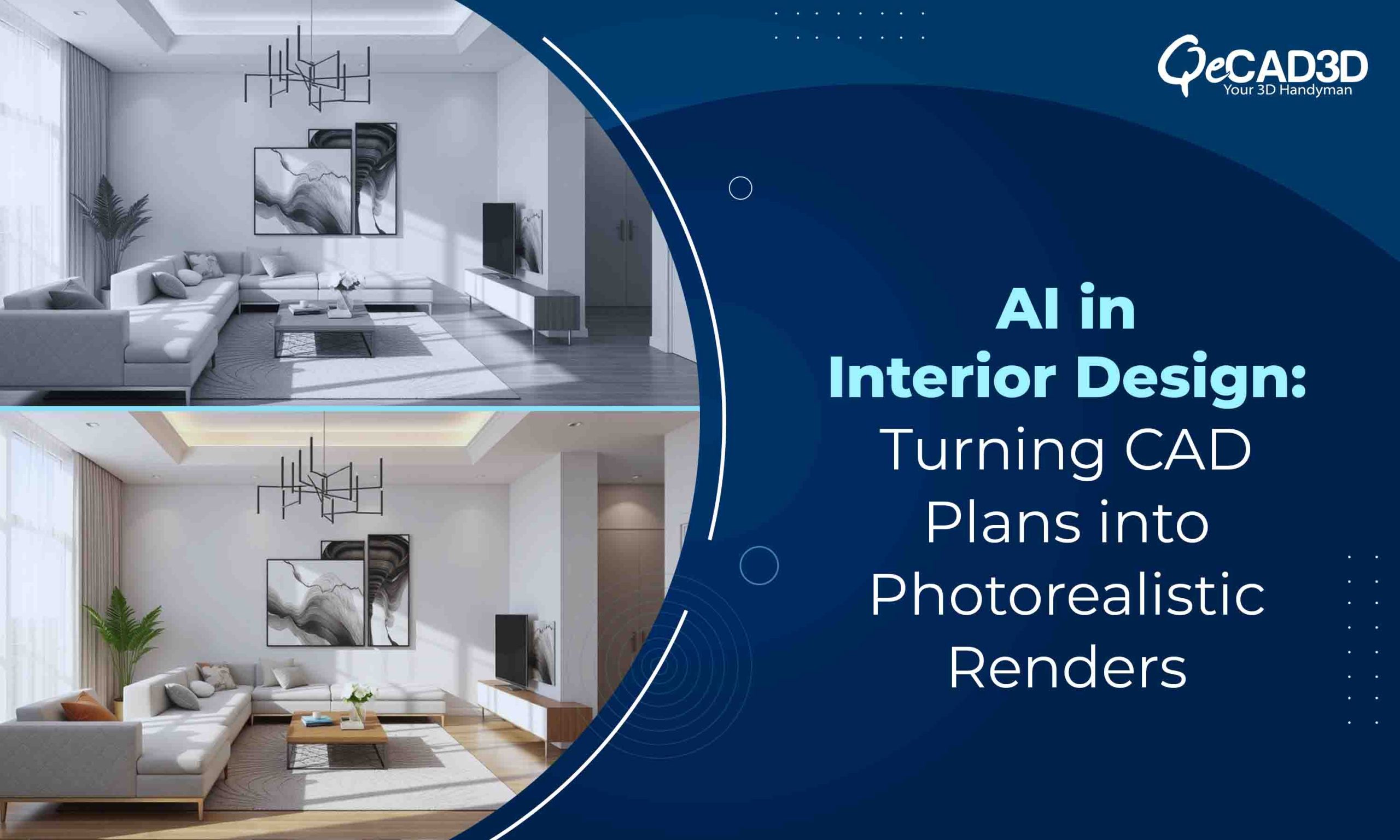
Artificial Intelligence isn’t just hype—but it is driving the meaningful change in the interior design visualization.
What AI Brings
✔ Automatically generates dozens of style iterations in seconds
✔ Suggests optimized lighting and furniture layouts from text prompts
✔ Accelerates the rendering workflows by orders of magnitude
According to the industry data, AI tools like GAN-based engines produce visuals with 95% accuracy to client specifications, while the neural rendering systems can cut rendering times from hours to minutes.
This trend pushes the buyers to engage more deeply with the visuals earlier in the decision process, sometimes before a budget is even finalized.
- Sustainability and Biophilic Design Drive Buyer Preference
Buyers in 2026 want interiors that reflects their values—especially sustainability.
“Hyper-sustainability” and biophilic design are trending because they combine the wellness and aesthetics:
✔ Reclaimed materials
✔ Living green walls
✔ Natural light-optimized layouts
Visualization tools now showcase the sustainable design features visually, which helps the clients to appreciate eco-friendly choices rather than just hearing about them.
- Storytelling Through Mood and Emotion
Pure photorealism isn’t enough. Today’s visualization must evoke emotion and lifestyle aspirations.
Emotion-Driven Visualization
Rather than just showing a room, emotionally driven visuals tell a story:
✔ Warm evening lighting that feels cozy
✔ Sunlit breakfast nooks suggesting comfort
✔ Desk spaces that feels ready for productivity
By prioritizing narrative and ambience over the sterile realism, designers create visuals that resonates on a personal level—boosting buyer connection and recall.
- Strategic Use of Visual Anchors for Better Sales
Certain elements have begun acting like psychological “anchors” in buyer perception:
✔ Bold colors and expressive palettes (such as earthy browns and greens)
✔ Architectural focal points (statement staircases, textured accent walls)
✔ Curved furniture and sculptural silhouettes
These not only catches the attention but becomes emotional triggers—especially in the marketing materials and listing visuals.
- The Market Opportunity: Visualization Isn’t Optional
The interior design market continues to grow robustly:
The Global market projections estimates that the interior design sector will exceed $208 billion in 2026, with nearly 46% of workflows incorporating visualization tools.
Practically: Whether you’re a designer or real estate marketer, embracing the advanced visualization isn’t just a differentiator—it’s becoming a standard expectation.
Real-World Example: From Concept to Conversion
Imagine a premium residential project using a combination of the following:
What they did
- High-resolution 3D renders showing materials under different light conditions
- VR walkthroughs integrated into online listings
- AI-generated style alternatives to match buyer mood boards
Outcome
✔ Increased online engagement
✔ Faster sales cycles
✔ Higher client satisfaction and referrals
Closing Thoughts
In 2026, interior visualization isn’t just about showing a space—it’s more about feeling it. The most effective projects aren’t those with the flashiest images, but those that:
🔹 Build emotional connections
🔹 Reflects buyer values (like sustainability)
🔹 Empowers decision-making through clarity and immersion
3D Visualization Services and Interior Rendering Services today aren’t mere a terminology—but represents a real business tool that helps the design firms, developers and marketers to meet the modern buyer expectations.